Why Most Philippine SEO Campaigns Plateau at Page 2

Back to blog

SEO

Why Most Philippine SEO Campaigns Plateau at Page 2

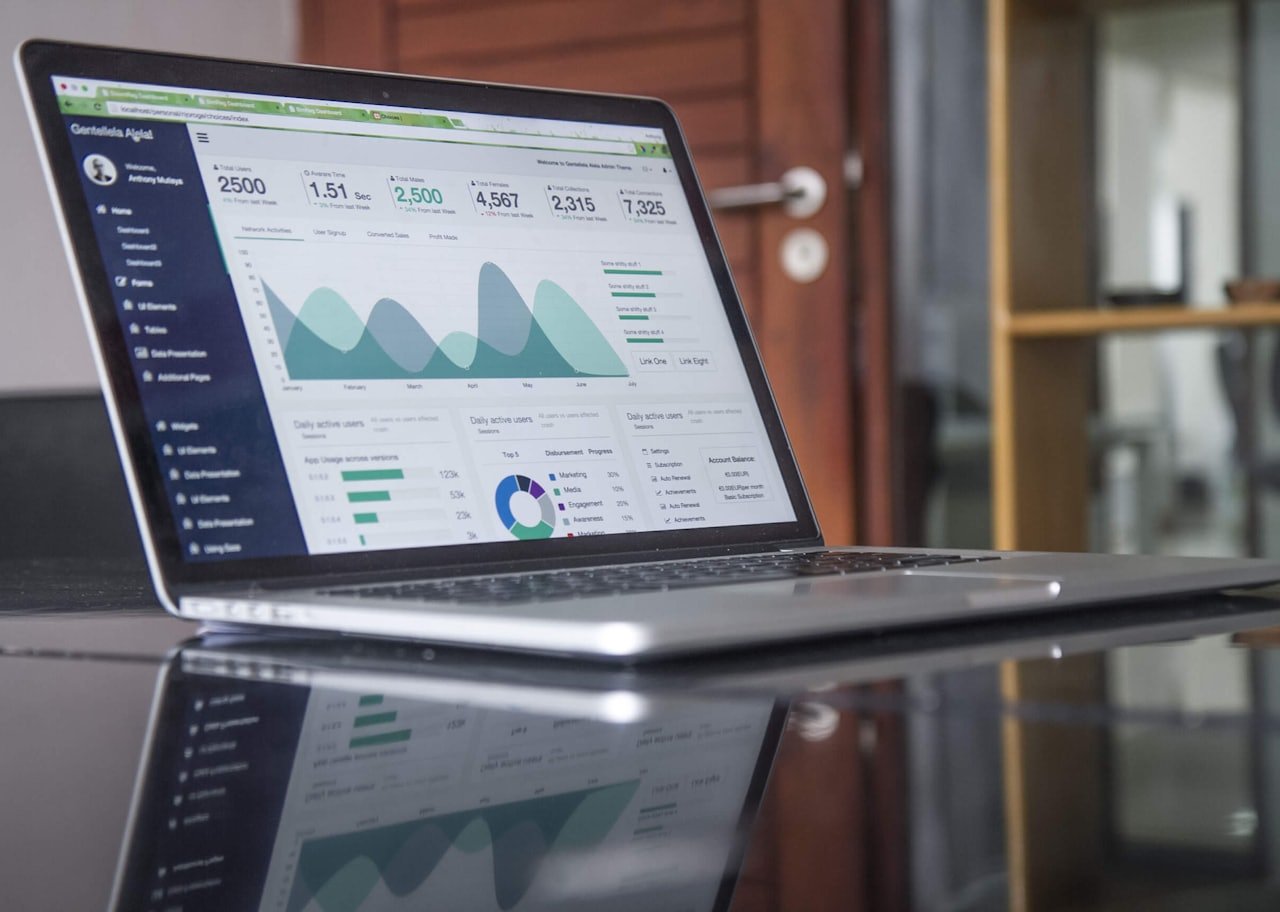
Laptop showing organic traffic graphs climbing on an SEO analytics dashboard

If your rankings climbed steadily for the first few months and then froze somewhere on page 2 — position 11 through 20 — you’re not alone, and you’re not being penalized. You’ve hit a ceiling that most SEO advice never explains, because it’s caused by a completely different set of problems than the ones that got you to page 2 in the first place.

The page-2 wall isn’t a penalty — it’s a ceiling

Getting from “not ranking” to page 2 mostly rewards the basics: fixing crawl errors, writing real title tags, publishing content that actually answers the query. Most sites can do this with a checklist. Breaking from position 11 into the top 3 requires something a checklist can’t give you — genuine topical depth, internal linking that tells Google which pages matter most, and backlinks that signal real authority rather than just technical correctness.

What actually breaks through

In client audits, the pattern is almost always one of three things: content that answers the question but doesn’t go deep enough to out-compete the top 3 results, internal linking that treats every page as equally important (so nothing signals priority), or a complete absence of external validation — no one else on the internet is linking to or talking about the page.

Ranking #11 and ranking #3 use completely different playbooks. Most agencies only know the first one.

The fix is rarely “write more content.” It’s usually rewriting the two or three pages that matter most with genuinely more depth than the current top 3, restructuring internal links so those pages get the most link equity on the site, and running a focused outreach campaign for just those priority pages instead of spreading effort thin across everything.

Here’s a version of this exact plateau I see constantly: a business ranks #14 for its most valuable keyword, has published one reasonably solid guide on the topic, and has picked up a handful of unrelated backlinks along the way. The instinct is almost always to write another guide on a different keyword. The better move is a full technical and content audit that identifies which single page has the best realistic shot at breaking into the top 3 — then committing every available resource to that one page instead of spreading thin effort across ten different ones.

If your rankings have been stuck in the same range for more than two reporting cycles, that’s the clearest sign you’ve hit this wall — and the fix is a different kind of work than what got you here.

Key takeaways

  • Page-2 rankings and top-3 rankings are won with different tactics — checklist SEO gets you to page 2, depth and authority get you further.
  • Content depth beats content volume once the basics are already handled.
  • Internal linking should signal which two or three pages matter most, not treat every page as equally important.
  • Backlinks remain the strongest external signal once on-page and technical factors are already fixed.

next step

Want this applied to your business?

Every article here comes from real client work. Book a free strategy call and let’s talk about your specific numbers.


Book your free strategy call

How to Rank #1 on Google Maps for Local Service Businesses in the Philippines

Back to blog

SEO

How to Rank #1 on Google Maps for Local Service Businesses in the Philippines

Consultant presenting local search visibility results during a client meeting

For any business that serves people in a specific city or neighborhood — clinics, contractors, real estate agents, restaurants — the map pack matters more than your organic ranking. Most searchers looking for a local service never scroll past the three map results Google shows at the top of the page. You either show up there, or you effectively don’t exist for that search.

Your Google Business Profile is doing half the work — or none of it

The single biggest local SEO mistake I see is a Google Business Profile that was set up once, years ago, and never touched again. No recent photos, generic categories, no posts, and reviews that trickle in unprompted rather than being actively requested. Google reads all of this as a signal of how active and relevant your business actually is right now.

Reviews, categories, and the proximity problem

Three things drive map-pack ranking more than anything else: the relevance of your listed categories to the actual search, the volume and recency of your reviews, and your physical proximity to the person searching. You can’t move your business, but you can absolutely control the first two — and most businesses are leaving both on autopilot.

Nobody scrolls past the map pack looking for you. You either show up there, or you don’t show up.

What actually moves the map pack needle

In practice, the fastest wins come from auditing and correcting your category selection (most businesses pick one broad category when three specific ones would rank better), building a simple, repeatable system for requesting reviews right after a good customer interaction, and creating location-specific landing pages if you serve more than one city or barangay — each optimized for that area’s actual search language rather than one generic page trying to rank everywhere at once.

One clinic client had a technically “complete” Google Business Profile — correct hours, a decent description, a handful of old photos — but had gone eight months without a single new review or post. A local SEO refresh focused entirely on consistency: a weekly photo, a simple post, and a review request sent to every satisfied patient. Within ten weeks, the clinic moved from outside the map pack entirely into the top 3 for its main service category, with no changes to the website itself.

Local SEO rewards consistency more than cleverness. A profile that gets a new photo and a review request every week will outrank a technically “optimized” profile that’s been untouched since setup.

Key takeaways

  • The map pack matters more than organic ranking for most local searches — it’s what people actually see first.
  • Category selection, review volume, and proximity drive map-pack ranking more than anything else.
  • A simple, repeatable review-request habit usually outperforms a one-time profile “optimization.”
  • Multi-location businesses need location-specific pages, not one generic page trying to rank everywhere.

next step

Want this applied to your business?

Every article here comes from real client work. Book a free strategy call and let’s talk about your specific numbers.

Book your free strategy call

SEO for Media & Publishing Sites: Lessons from Working with National Magazines

Back to blog

SEO

SEO for Media & Publishing Sites: Lessons from Working with National Magazines

Editorial team collaborating on a content and SEO strategy across laptops

Working SEO for national media and publishing brands taught me things that never come up managing a local clinic’s rankings — because publishing SEO is a genuinely different sport, played at a different scale and speed, with different rules for what survives.

Publishing SEO is a different sport

A local business might publish one new page a month. A media site publishes dozens of articles a day, across multiple writers, sections, and deadlines that don’t wait for an SEO review. The technical foundation has to be strong enough that individual articles can be imperfect without dragging the whole domain down — because at that volume, some imperfection is guaranteed.

Speed and syndication at scale

Site speed matters even more for a content-heavy publisher, because every additional article is another page that needs to load fast on a slow mobile connection, and every slow page compounds across a site with thousands of them. Syndication and content distribution across sister brands also raises real technical questions — canonical tags, avoiding duplicate content penalties, and making sure the original source gets the ranking credit — that a single-site business never has to think about.

What survives an algorithm update at this scale

When a Google core update hits a media site, the volatility is immediate and visible in a way it rarely is for a small business site — you can watch traffic move in near real time. What consistently protects a large site through these updates is genuine editorial depth rather than volume for its own sake, a clean technical foundation that doesn’t rely on tricks, and internal linking that reflects real topical authority rather than an arbitrary content calendar.

A media site doesn’t need one thing to rank. It needs a system that keeps ranking after every algorithm update.

The lessons transfer both ways. The editorial discipline large publishers need — depth over volume, structure over shortcuts — is exactly what smaller sites benefit from too, just at a scale where you can be more deliberate about every single page.

One recurring lesson from working across large editorial sites: the domains that recover fastest from a core update are the ones that already had a clean technical foundation in place before the update hit — proper canonical tags, no orphaned sections, internal links that reflect genuine topical structure. Sites trying to fix that foundation reactively, after a traffic drop, take months longer to recover than sites where it was already solid.

Running a content or media site that needs to scale its SEO without breaking every time Google updates its algorithm? That’s a conversation worth having early, not after the traffic has already dropped.

Key takeaways

  • Publishing SEO has to tolerate imperfection at scale — a strong technical foundation matters more than any single article.
  • Site speed compounds across thousands of pages, making it a bigger lever than on a small business site.
  • Canonical tags and clean syndication rules prevent duplicate-content issues across sister brands.
  • Editorial depth and clean technical structure protect rankings through algorithm updates better than volume alone.

next step

Want this applied to your business?

Every article here comes from real client work. Book a free strategy call and let’s talk about your specific numbers.

Book your free strategy call